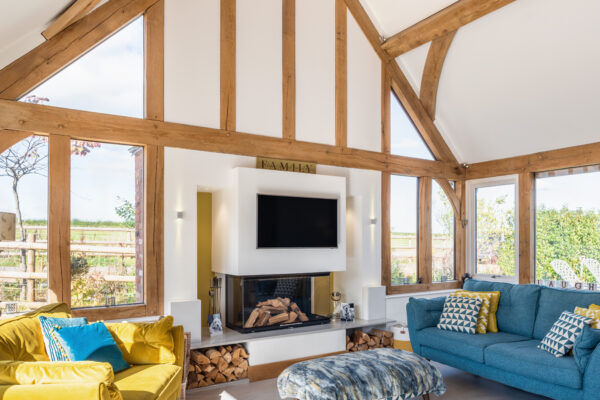
Top 10 tips for a successful home extension
A home oak extension enables you to have larger ground floor reception areas, more bedrooms, or a better connection with your garden, extending your current home could be a much more versatile and cost-effective solution than moving. A well-planned project should come together with minimal stress, on time and on budget. Here’s how to get the most out of your oak extension project.
Identify your needs
Have a think about your reasons for extending.
Are you looking to add more general living space or are you looking to add a room for a particular purpose such as a home office, a larger kitchen or an extra bedroom?
Would you like to connect your home with your garden and maximise the views?
Do you require a social environment to host friends or a tranquil environment to return to after a hard day at the office? Thinking carefully about what you want from the finished addition, who will use it and how it will work with your day to day lifestyle from the start will help form the foundations for coming up with a suitable brief and design.
Set a budget
The most successful projects are those that have been planned and budgeted for in advance. Be realistic with your budget and think about all costs as its easy to end up overspending. You don’t want to have to stop the project half way through.
Set a brief
Once you’ve determined your reasons for extending and how you intend to use the new space think about how this will best work with the existing property. Consider things such as access. How will the builders access your site? A semi-detached or terraced house with no or limited side access will mean craning materials over the top or bringing them in through the house. If a small digger can’t gain access then the digging out will have to be done by hand, adding time and cost to the project. How do visitors approach the property – do you want them to enter through the existing property or though the extension as this will affect things such as where external doors are positioned.
Do you want to match the style of the oak extension with your existing home or have a complete contrast? Create a wish list, what are the must haves? Maybe you want to incorporate a kitchen? Do you want to add a log burner? Things like this can have a huge impact on the overall design.
Work with skilled designers
Engaging the skills of an experienced designer will help you get the most out of your project. A specialist be able to offer advice on planning and structural arrangements that you may not be aware of. The experience will also ensure all the potentials of the project is maximised.
Compromise
Be willing to compromise. If a design does not seem to be working the answer might be to move things around, flipping the plan to a mirror image or even removing things can often result in a more successful design. Remember that at this point, changing plans is low risk as they are merely just drawings. Making changes further down the line, when the physical build has started, could be extremely costly and waste time. Compromise where your budget is concerned. You may love the idea of having bi-fold doors opening up into the garden however your budget may only stretch to French doors.
Cost versus value
Have a look at how much value the oak extension will add to your property. Try not to spend more on a property than its finished value. If this is your forever home then value may not be a priority. Look at similar properties in your area who have added an extension. Also make sure you have costed up the entire project before signing the dotted line.
Understand planning rules
You may not actually need to obtain planning permission to go ahead with your extension thanks to permitted development (PD) rights. Areas of outstanding natural beauty or a conservation area, or a listed property then your PD rights are more restricted. Welsh Oak Frame can take care of obtaining all the necessary planning permissions for you.
Create a project schedule
While its inevitable for a few glitches along the way, a well organised project should come together fairly smoothly. Break the works down into stages estimating how long each step should take. A well thought out schedule is essential when it comes to organising trades and deliveries. Some things will have a long lead time, to avoid long delays to your project order things in good time. Idle time on site may mean losing labour to other jobs and remember, the site that maintains continuity comes in on budget.
Involve your neighbours
Building projects can be a major cause of disputes between neighbours. If you apply for planning permission neighbours will be consulted by the local planning authority . It’s a good idea to let them know about your plans well in advance, particularly if the works may cause disruption.
Protect your project
Protect the new project and the original building by taking out the right insurance. Look for specialist insurance that has experience in extending your home. Relying on your home insurance or builder’s public liability insurance will probably not offer sufficient coverage.